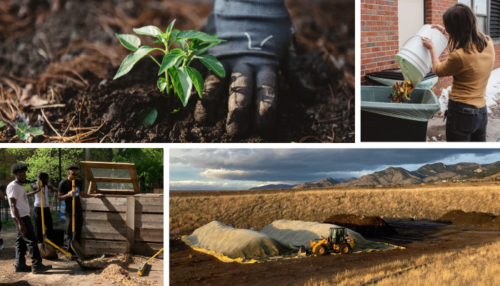
Catalyzing distributed and diverse local composting across the country to cut wasted food, enhance soil, protect the climate, and build community.
Education and Outreach for Residential Composting Programs Grants (RCP Grants)
Led by the Institute for Local Self-Reliance (ILSR) in collaboration with World Wildlife Fund (WWF), the Education and Outreach for Residential Composting Programs Grants (RCP Grants) will focus on increasing the collection and composting of residential food waste through community engagement. Grants range from $75,000 to $250,000.
Webinar – Rural Community Composting: From Operations to Outreach
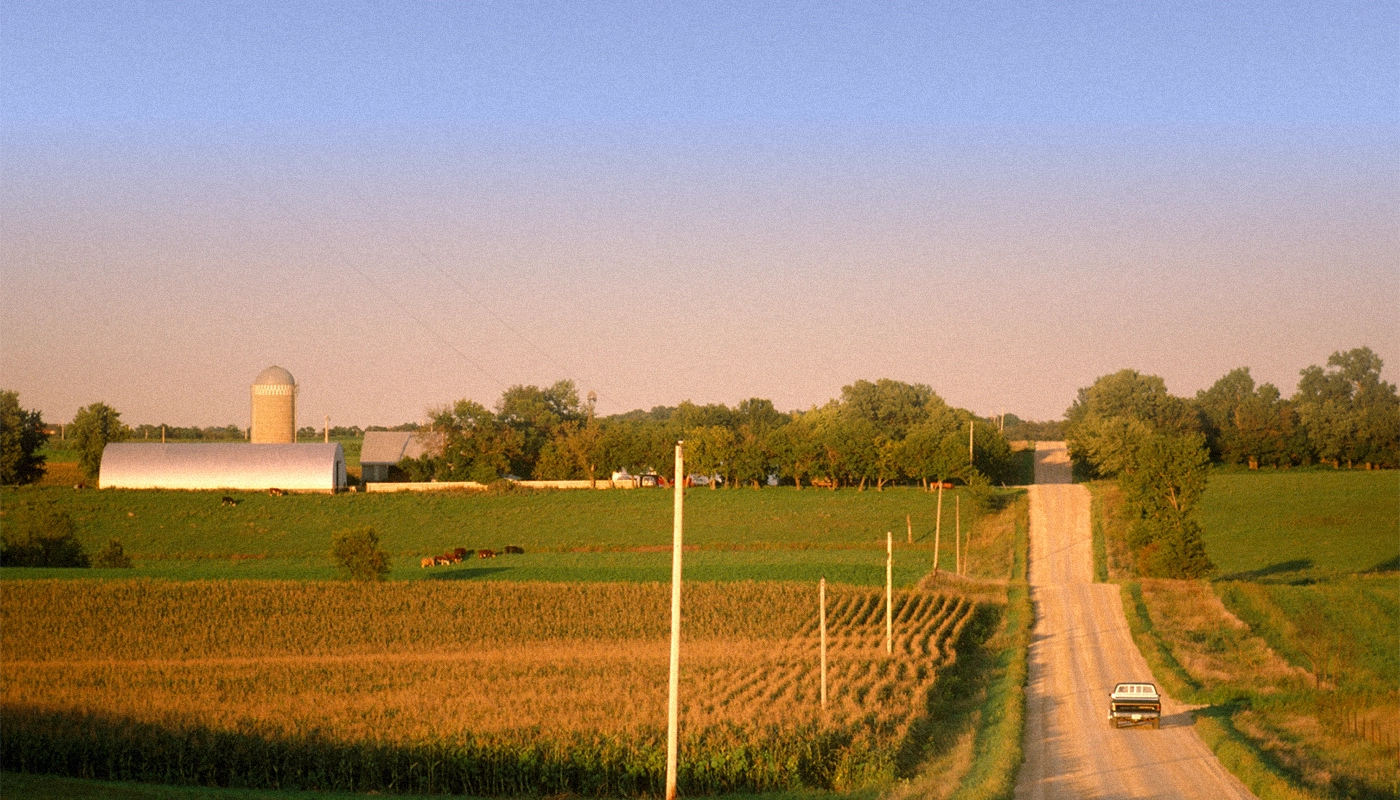
What does local composting look like in places with lower population density? How do you conduct successful education and outreach in small towns? In this webinar, you’ll hear success stories and lessons learned from three community composting operations in rural and tribal communities. Join live on December 8th at 1:30 p.m. ET.
Local composting is one of the simplest yet most effective ways communities can exercise their power to protect the planet. ILSR’s interactive Local Composting Toolkit has the resources you need to advance local composting — as a composter, farmer, policymaker, advocate, or local government — all in one place.
Reducing Contamination at Community Composting Sites
ILSR’s Reducing Contamination at Community Composting Sites is a virtual course for community composters looking to create the highest-quality compost from collected food scraps.
17 Case Studies Model Local Government Programs and Partnerships with Community Composters
Partnerships between local governments and community composters have the power to transform a city’s capacity to embrace more sustainable alternatives of waste management. These 17...
Keep Compost Local: A Roadmap for Local Governments to Build Community Prosperity with Composting
A report providing guidance for municipalities to support and partner with local composting initiatives, meeting their composting targets while fostering myriad economic and cross-sectoral benefits.
Composting for Community Initiative
Stay up to date with our newsletter, The Compost Pile.
What We Do
Catalyze distributed and diverse local composting around the country in order to cut wasted food, enhance soils, support local food production, and protect the climate while addressing community prosperity and equity issues.